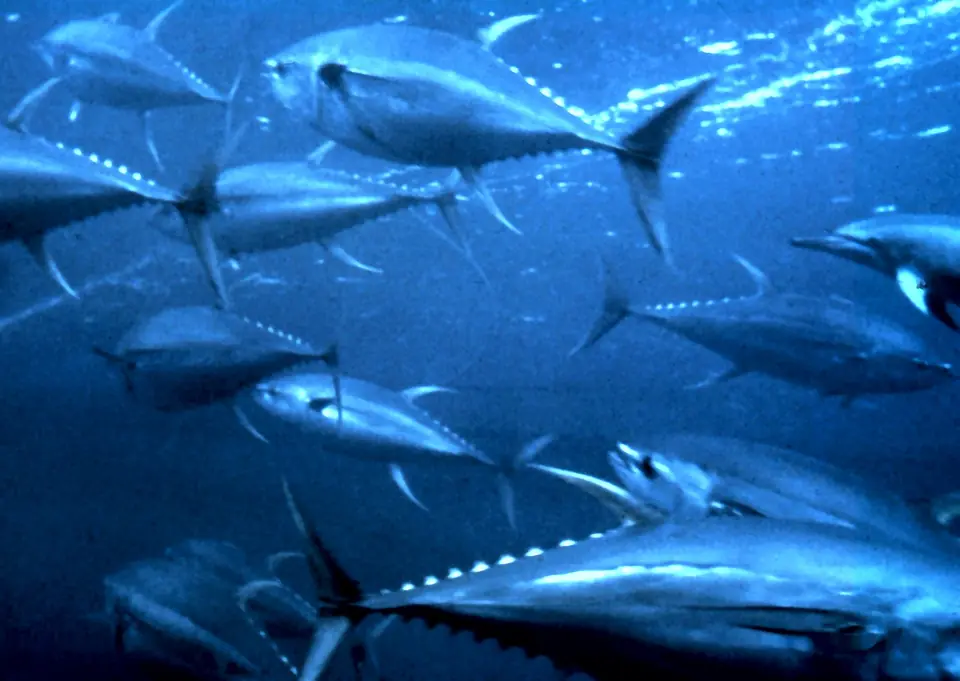
Tuna at a glance
- Blackfin tuna
- Most common; often 10 to 25 lb; best in cooler months and spring
- Yellowfin tuna
- Larger, less consistent; spring is a common window
- Where
- Gulf Stream edge, ledges, temperature breaks
- How
- Trolling small lures and ballyhoo; jigging and chunking
- Permit
- Private boats need an HMS Angling permit; charters carry their own
- SC records
- Blackfin 40 lb 6 oz (Charleston, 2005); yellowfin 241 lb 12 oz (Charleston, 1979) (SCDNR)
Blackfin tuna
Blackfin are the everyday Gulf Stream tuna here. They are small for a tuna, usually 10 to 25 pounds, and travel in schools along the edge and over ledges. They bite well in the cooler months and in spring, often on small trolled lures, feathers, and ballyhoo, and on vertical jigs. South Carolina's record, 40 pounds 6 ounces, was caught out of Charleston in 2005, per SCDNR.
Yellowfin tuna
Yellowfin are bigger, often 30 to 80 pounds or more, and less predictable off South Carolina. Some years produce good spring runs along the Gulf Stream; others few fish. The state record, 241 pounds 12 ounces, came from Charleston in 1979.
How they are caught
- Trolling cedar plugs, small skirted lures, and ballyhoo at dawn along temperature breaks and over structure.
- Jigging with metal jigs when a school is marked on the sonar.
- Chunking cut bait to hold a school behind the boat.
Tuna fight deep and long. Light drag, steady pressure, and patience land them.
Rules and permits
Atlantic tunas are highly migratory species managed by NOAA Fisheries, not the regional council. On a private boat in federal waters you need an HMS Angling permit, and some tunas have federal minimum sizes and retention limits; bluefin also has reporting requirements. Charter and headboats carry an HMS Charter/Headboat permit that covers you. Check NOAA and the HMS permits site for current rules.
Booking a tuna trip
Book a full-day offshore charter and ask about recent tuna catches; many trips catch blackfin as part of a mixed day with mahi and wahoo. See deep sea and Gulf Stream fishing.
Who you will deal with
NOAA Fisheries Southeast Region
More offices, with notes, are on the local resources page.
Find local help
Listings come from public records or from the business itself. A listing is not a recommendation.
Common questions
Do I need a permit to keep tuna?
On a private boat in federal waters, yes: an HMS Angling permit from NOAA Fisheries for Atlantic tunas, and yellowfin and bluefin have federal size and retention limits, with bluefin also requiring catch reporting. On a charter or headboat, the vessel carries the permit.
Are bluefin tuna caught off Myrtle Beach?
Rarely. Bluefin pass the Carolinas in winter and spring, mostly farther north off North Carolina. South Carolina's bluefin record came from Hilton Head Island in 2006. Bluefin rules are strict; check NOAA before targeting them.
Related guides
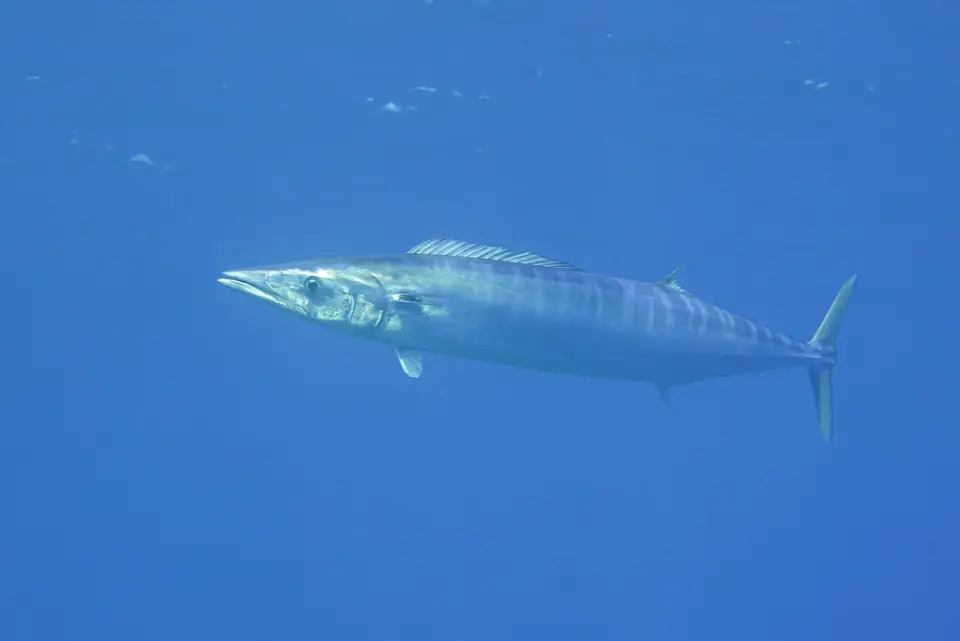


More offshore and gulf stream fish
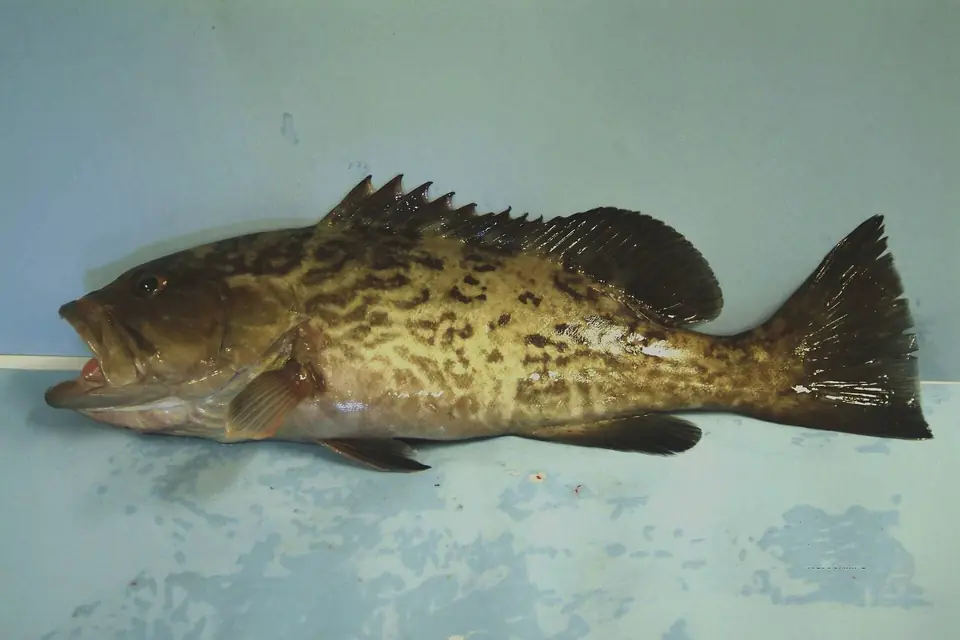
Sources
Official sources checked on October 29, 2026.