
Gulf Stream trips at a glance
- Distance
- About 35 to 60+ miles offshore, per Grand Strand fleets
- Ride
- Up to about 3 hours each way (Crazy Sister Marina's description of its trip)
- Depth fished
- Roughly 110 to 180 feet on Crazy Sister's Gulf Stream bottom trip; deeper on the troll
- Trolling species
- Mahi (dolphin), wahoo, blackfin and yellowfin tuna, sailfish, marlin
- Bottom species
- Grouper, snapper, amberjack, triggerfish, porgy, sea bass
- Best months
- Mahi spring to summer; wahoo fall to spring; bottom fishing year-round (seasons apply)
How far out is "deep sea"?
The continental shelf off South Carolina is wide and shallow, so the deep blue water of the Gulf Stream is a long way off. Crazy Sister Marina describes its Gulf Stream trip as running 40 to 60 miles out to water 110 to 180 feet deep, with about a three-hour ride. Little River Fishing Fleet lists Gulf Stream trips of 35 to 60-plus miles, and Cloud 9 Fishing Charters describes trips ranging from 15 to 75 miles. The exact distance depends on where the Gulf Stream's western wall is that day; it meanders, and captains watch sea-surface temperature charts to find it.
Between the beach and the Stream, the shelf is a mix of sand, scattered live bottom, ledges, and SCDNR's permitted artificial reefs. That is why "deep sea" on the Grand Strand covers two different things: trolling the Gulf Stream for pelagic fish, and bottom fishing reefs and ledges along the way.
What you can catch
On the troll: mahi (dolphin), especially spring to early summer; wahoo, best fall through spring; blackfin tuna and occasional yellowfin; king mackerel on the way; and sailfish, white marlin, and blue marlin, mostly late spring and summer. South Carolina's records for wahoo (130 lb 5 oz) and swordfish (500 lb) both came from Grand Strand ports, according to SCDNR.
On the bottom: gag, scamp, red grouper and other groupers; vermilion and red snapper; greater amberjack; gray triggerfish; red porgy; black sea bass; and blueline tilefish in deeper water. Many of these have seasons and tight limits in federal waters. Red snapper, in particular, opened for only three federal days in 2026. See grouper and snapper.
A typical Gulf Stream day
- Before dawn: check-in at the dock, safety briefing, and departure. Find a seat outside, in the middle of the boat, if you are prone to seasickness.
- The run: two to three hours offshore. Sleep if you can.
- Fishing: trolling lines for pelagics, stopping on ledges and wrecks to bottom fish, or a mix. Mates set and rig the lines; you reel when a fish bites.
- The ride home: fish are iced; mates start cleaning on some boats.
- Back at the dock: often late afternoon or early evening. Photos, fish cleaning, and tipping the crew.
Private charter or Gulf Stream headboat?
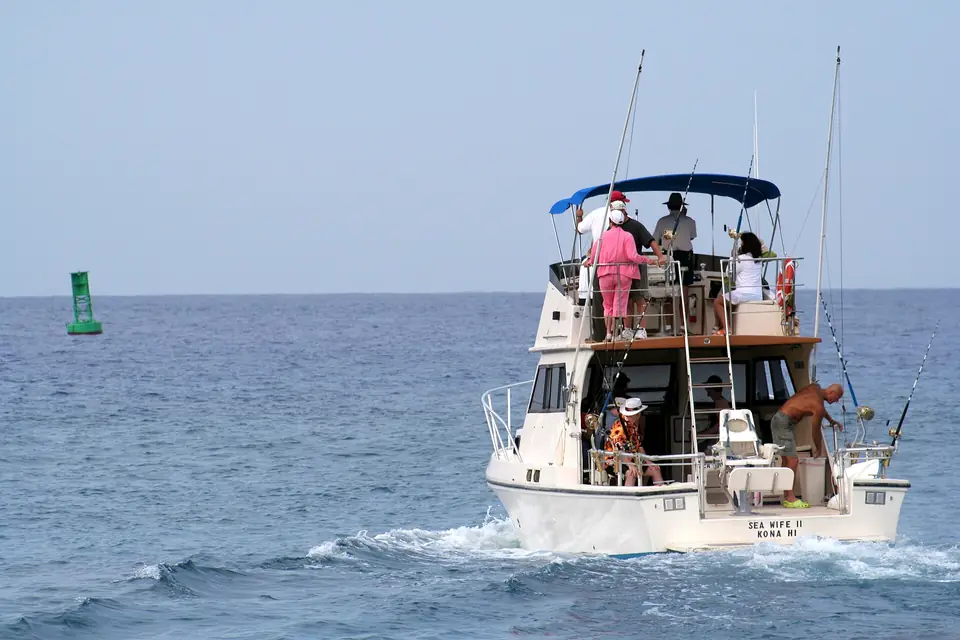
A private charter puts your group alone on a boat, usually up to six anglers, and the captain can troll for the species you want. A Gulf Stream headboat sells individual tickets and focuses on bottom fishing with dozens of people aboard; it costs much less per person. See headboat fishing.
Weather decides everything
Offshore trips cancel more often than inshore trips. A forecast of 2 to 3 feet is pleasant; 4 to 6 feet is a hard day for most visitors. Check the NWS Wilmington marine forecasts and the offshore buoys, and expect your captain to make the call early in the morning. Book a backup day if your trip matters.
Getting ready
Read what to bring and seasickness before a Gulf Stream day. You do not need your own fishing license on a licensed charter or headboat under hire.
In pictures

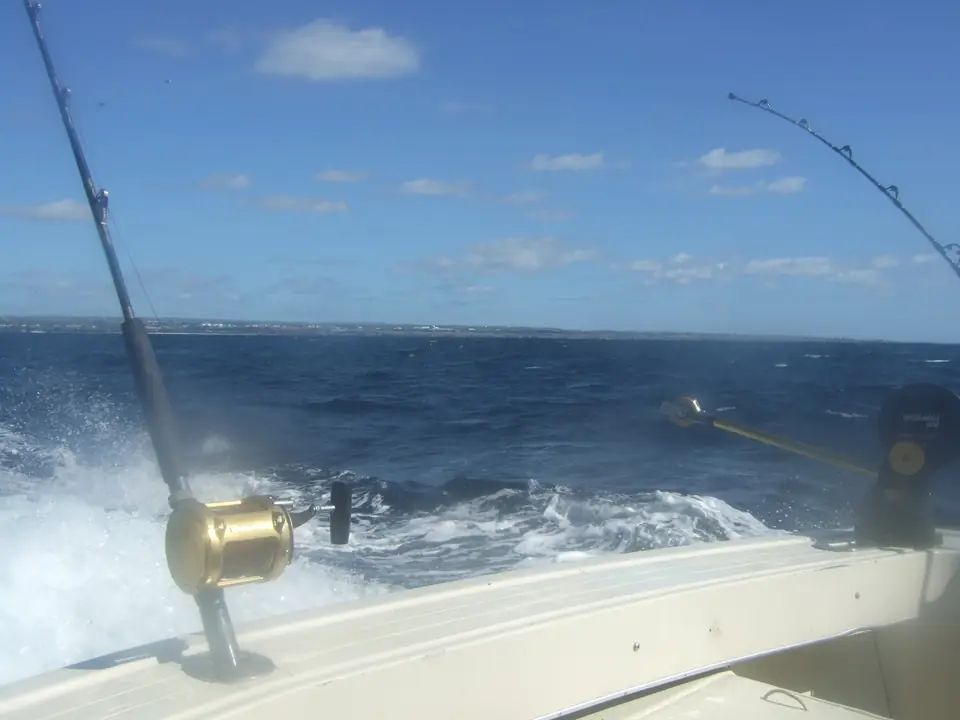

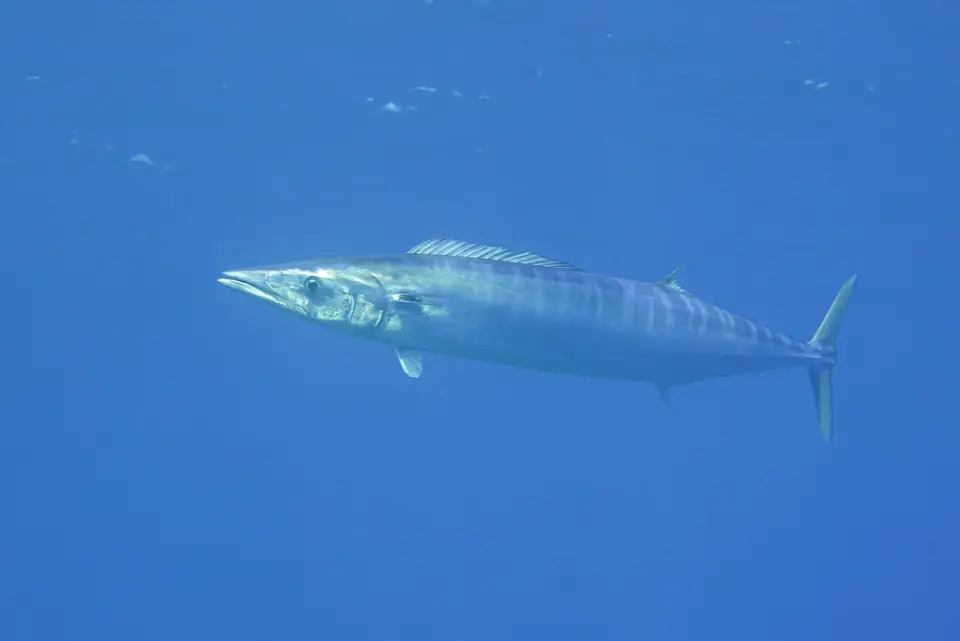
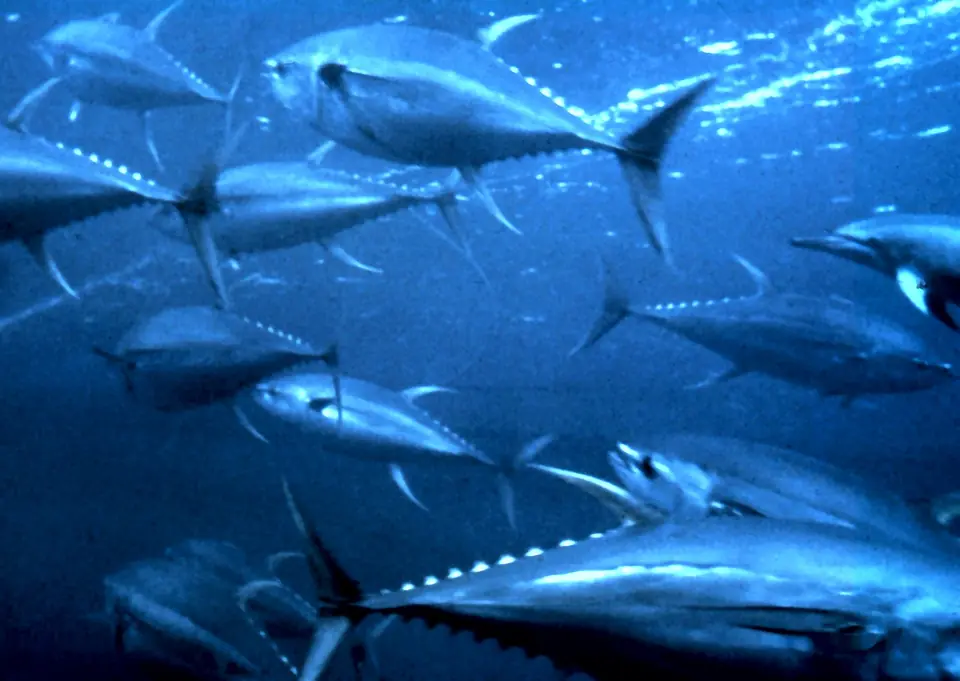
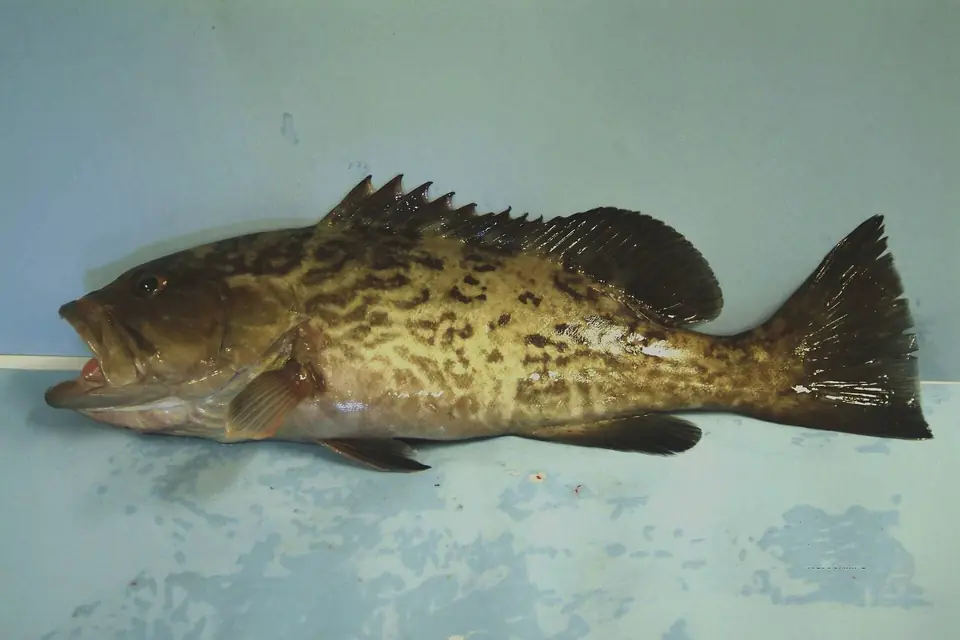

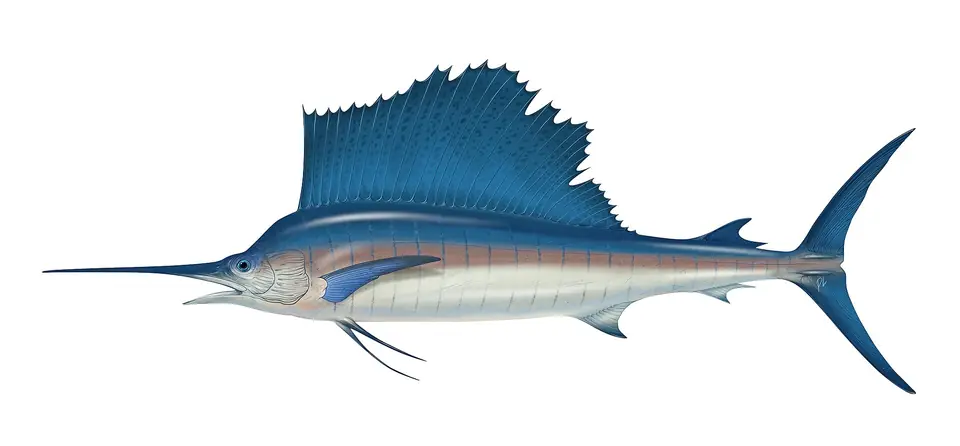
Photo credits and licenses · Photos are illustrative, not a specific local boat, business, or catch.
Who you will deal with
NWS Wilmington marine forecasts
NDBC buoy 41004 (Edisto)
NDBC buoy 41013 (Frying Pan Shoals)
More offices, with notes, are on the local resources page.
Find local help
Listings come from public records or from the business itself. A listing is not a recommendation.
Common questions
How far is the Gulf Stream from Myrtle Beach?
Farther than from Florida or Cape Hatteras. Grand Strand fleets describe their Gulf Stream trips as running about 35 to 60-plus miles offshore, depending on where the warm water edge sits that day and which ledges the captain is fishing.
Is deep sea fishing worth it for a beginner?
It can be, if you handle boats well. The mates rig the tackle and coach you. If you have never been offshore, a half-day nearshore trip or a headboat first is a lower-risk way to find out whether you get seasick.
Can you catch marlin off Myrtle Beach?
Yes, though they are a specialty target. Blue and white marlin and sailfish are caught along the Gulf Stream off South Carolina, mostly late spring into summer, and are almost always released. The Georgetown Blue Marlin Tournament fishes these waters each May.
Do they clean the fish?
On most charters and headboats, mates clean the legal catch at the dock, sometimes for a small per-fish or per-bag fee. Bring a cooler with ice in your car for the drive home.
Related guides
Sources
Official sources checked on October 29, 2026.