Bottom fishing at a glance
- Where
- Live bottom, ledges, wrecks, and SCDNR artificial reefs, from a few miles out to the shelf edge
- Common fish
- Black sea bass, porgies, grunts, triggerfish, vermilion snapper
- Bigger targets
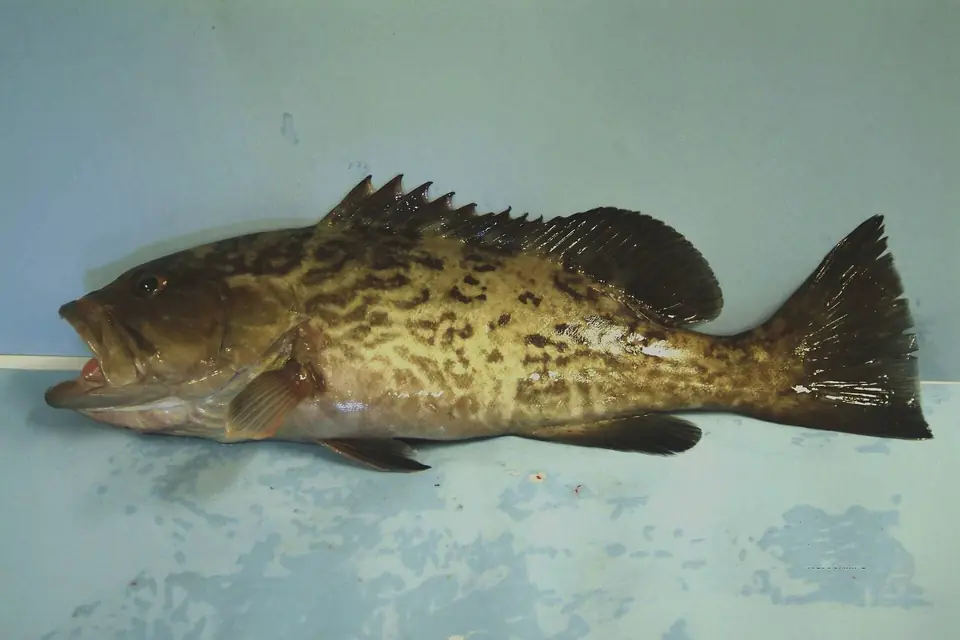
- Gag, scamp, and red grouper; red snapper; greater amberjack
- Required gear (federal)
- Descending device rigged and ready; non-offset, non-stainless circle hooks with natural bait; dehooking tool
- Seasons
- Several species close part of the year; red snapper open only on announced days
Where the bottom fish live
The shelf off the Grand Strand is mostly sand, broken by patches of live bottom (hard rock covered with sponges and soft corals), ledges where the bottom drops a few feet, and wrecks. Those structures concentrate fish. Closer to shore, SCDNR has built and permitted a network of artificial reefs from sunken vessels, concrete, and reef structures; the agency publishes their locations, coordinates, and a printable guide.
Roughly speaking, the farther out you go, the bigger the fish:
- Near reefs (a few to 20 miles): black sea bass, porgies, grunts, pinfish, flounder in summer, sheepshead on structure.
- Mid-shelf (20 to 40 miles): bigger sea bass, triggerfish, vermilion snapper, gag and scamp grouper, amberjack.
- Shelf edge (40+ miles): red snapper, red porgy, deeper groupers, blueline tilefish, and big amberjack.
Grand Strand ports hold several South Carolina bottom-fish records, according to SCDNR: a 129-pound amberjack (Murrells Inlet, 2024), a 28-pound 8.3-ounce scamp (Crazy Sister Marina, 2018), a 33-pound 13-ounce red grouper (Little River, 2022), and a 13-pound 9-ounce gray triggerfish (Murrells Inlet, 1989). See Grand Strand state records.
Gear the law requires
In the South Atlantic snapper-grouper fishery, federal rules require:
- A descending device, rigged and ready. SCDNR describes it as having at least 60 feet of line and 16 ounces or more of weight.
- Non-offset, non-stainless-steel circle hooks when fishing with natural bait for snapper and grouper.
- A dehooking tool on board.
Charter and headboat crews carry this gear. If you fish your own boat, SAFMC's best fishing practices program explains how to use it.
Seasons and limits
Bottom fishing is where the rules are most complicated and change most often. Several species have annual closures (shallow-water grouper close in winter and spring), aggregate bag limits (one total limit shared across a group of species), and in-season closures when a quota is reached. Red snapper are open only on days NOAA announces: in 2026 that was October 9 to 11, plus South Carolina's permit days through October 22. Check size and bag limits before each trip.
How it is done
Most bottom rigs are a simple two-hook dropper rig or a Carolina rig with 4 to 16 ounces of lead, baited with squid or cut fish. For grouper and amberjack, captains use heavier tackle and live bait such as cigar minnows or pinfish, or vertical jigs. Keep your line tight and reel the fish up and away from the bottom quickly, because grouper head straight for a hole.
On a headboat or charter
Headboats specialize in bottom fishing; a half-day trip fishes closer reefs, and full-day and Gulf Stream trips go to better bottom. Private charters can mix bottom fishing with trolling. See headboat fishing and the directory.
In pictures
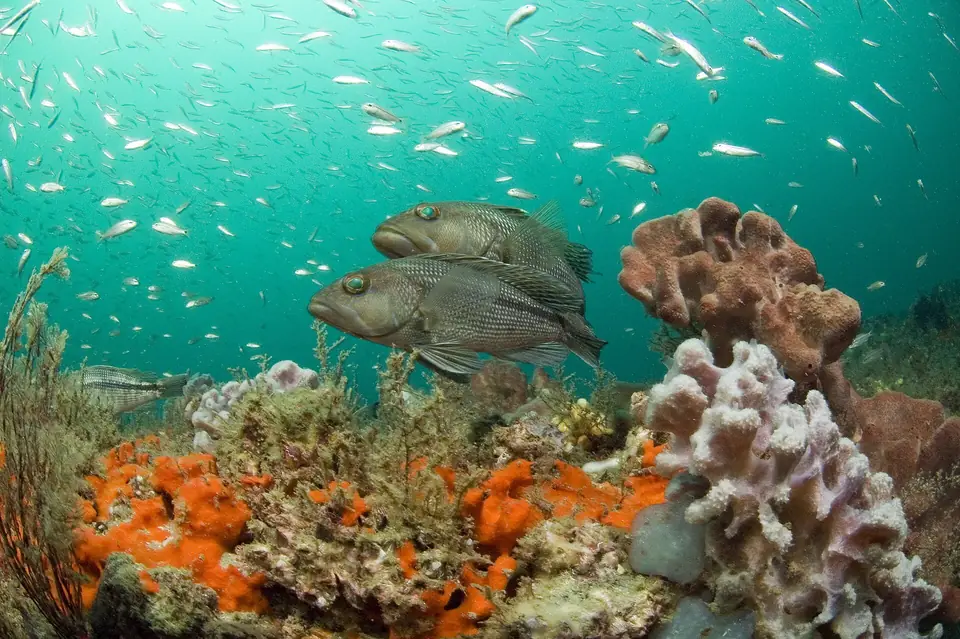
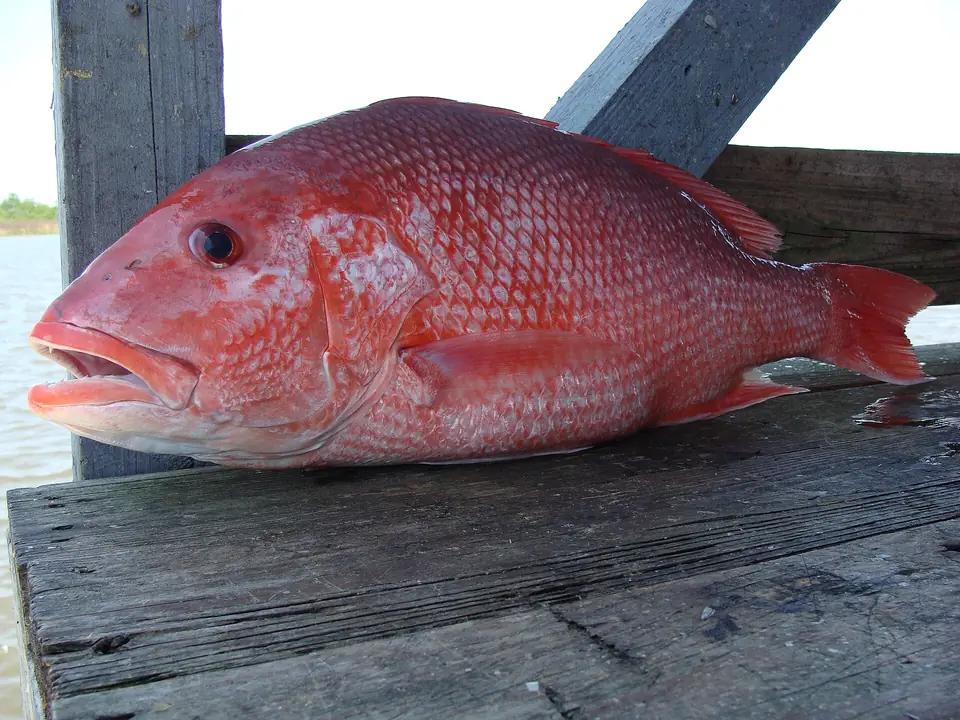
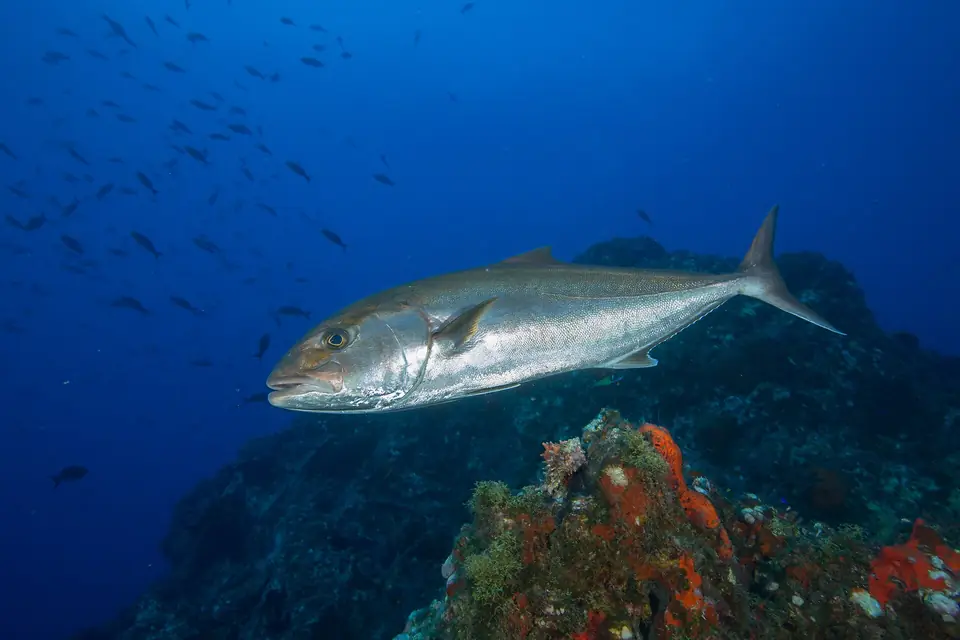
Photo credits and licenses · Photos are illustrative, not a specific local boat, business, or catch.
Who you will deal with
SCDNR artificial reef program
South Atlantic Fishery Management Council
4055 Faber Place Drive, Suite 201, North Charleston, SC 29405
More offices, with notes, are on the local resources page.
Find local help
Listings come from public records or from the business itself. A listing is not a recommendation.
Common questions
What is barotrauma and why does it matter?
Fish pulled up from deep water can suffer barotrauma: gas in the swim bladder expands, so the stomach pushes out of the mouth or the eyes bulge, and the fish cannot swim back down. A descending device clips to the fish and lowers it back to depth, where the pressure recompresses the gas. Federal rules require one to be rigged and ready on boats bottom fishing for snapper and grouper.
Can I fish the artificial reefs from my own boat?
Yes. SCDNR publishes the reef locations and coordinates. Many of South Carolina's permitted reefs are also federal special management zones with gear restrictions, such as hook-and-line only, so check the rules for the reef you plan to fish.
When is grouper season?
Shallow-water grouper close for part of the year in the South Atlantic, typically in winter and early spring to protect spawning fish. Check SAFMC's current regulations for exact dates and limits before you plan a grouper trip.
Related guides

Sources
Official sources checked on October 29, 2026.