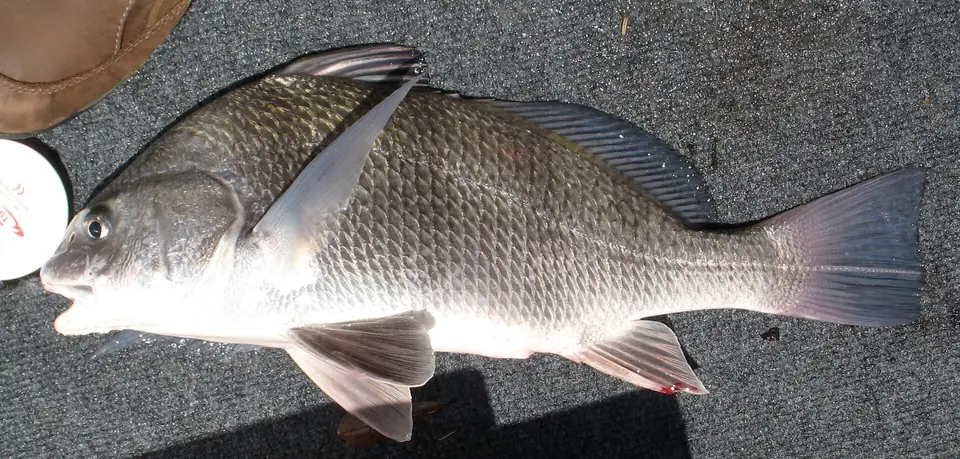
Black drum and sheepshead at a glance
- Where
- Jetties at Murrells Inlet and Little River, pier and bridge pilings, docks, oyster bars
- Best seasons
- Late fall through spring; sheepshead peak in late winter and spring
- Black drum bait
- Fresh shrimp, clams, cut blue crab
- Sheepshead bait
- Fiddler crabs, barnacles, oysters, clams
- Limits
- Both have SC size and bag limits; black drum has a slot. Check current rules
Black drum
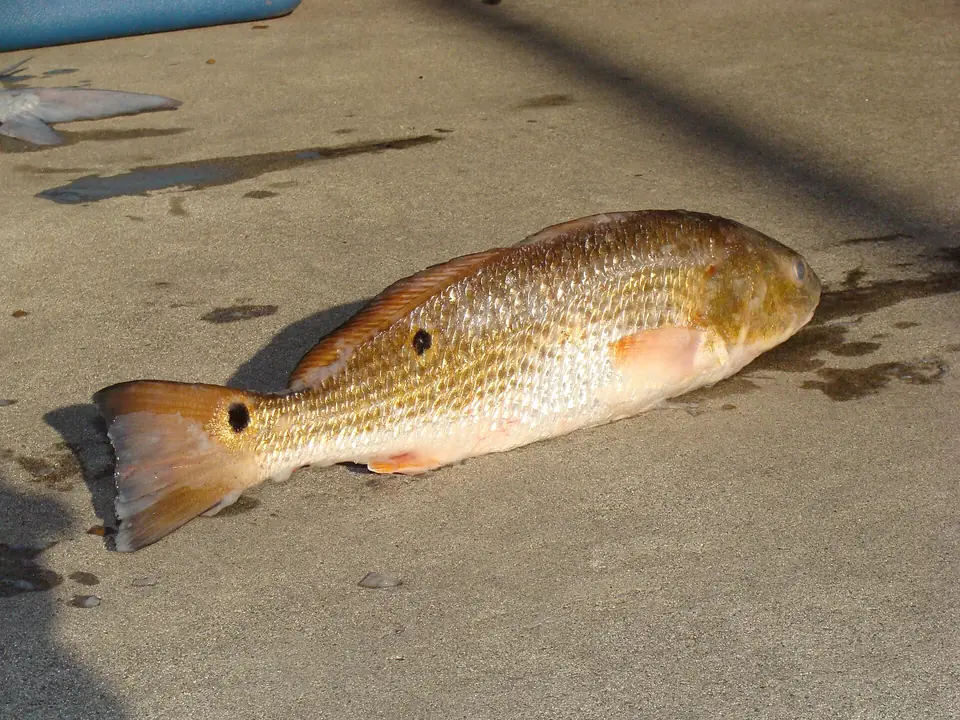
Black drum are the red drum's heavier, whiskered cousin. Young fish have vertical black stripes; adults are gray to bronze. They root along the bottom for shrimp, clams, and crabs around jetties, oyster bars, docks, and pier pilings, and along the surf in spring and fall.
How to catch them: a Carolina rig or fish-finder rig with a 1/0 to 3/0 circle hook, baited with fresh shrimp, clam, or cut blue crab, fished on the bottom near structure. Black drum make a drumming sound and pull steadily rather than running.
Rules: South Carolina has a slot limit and bag limit for black drum that protects the largest fish. Check the current rules.
Sheepshead
Sheepshead have black and white vertical bars and a mouthful of teeth that look almost human. They eat barnacles, crabs, mussels, and oysters off hard structure, so they gather on the Murrells Inlet and Little River jetties, pier and bridge pilings, docks, and nearshore wrecks and reefs. Late winter and spring is the peak, as fish gather to spawn on nearshore structure.
How to catch them:
- Bait: live fiddler crabs are the classic; barnacles scraped from pilings, oysters, and clams also work.
- Rig: a short leader and a small, strong hook (size 1 to 1/0) with just enough weight to hold bottom tight against the structure.
- Technique: drop straight down next to the pilings or rocks, keep the line tight, and set the hook at the slightest change.
Rules: sheepshead have a state minimum size and bag and boat limits. Check the current rules.
Where to try
- Murrells Inlet south jetty, via Huntington Beach State Park.
- Little River Inlet jetties by boat.
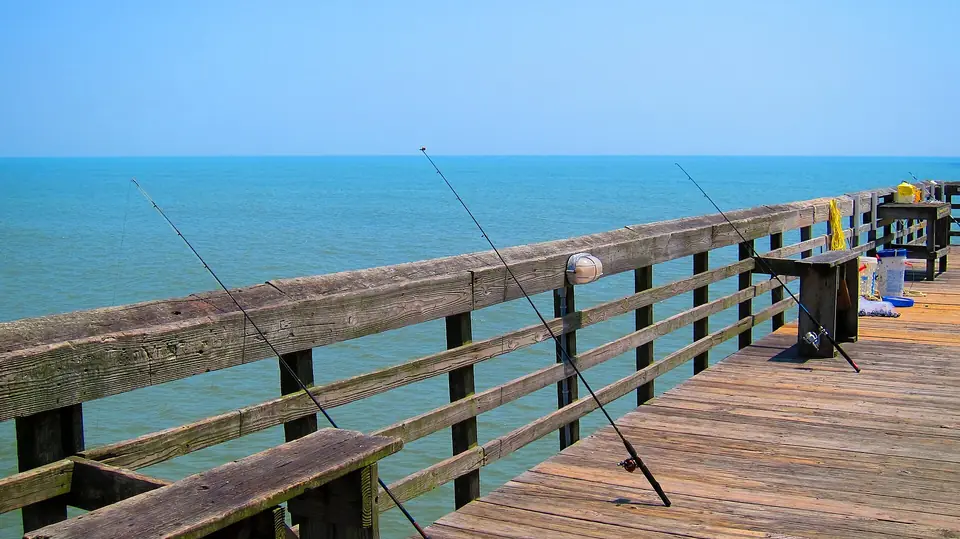
- Pier pilings at any Grand Strand pier (license covered on licensed piers).
- Waterway docks and bridges, with a license.
See inshore fishing and fishing piers.
More Black drum and sheepshead photos

Photo credits and licenses · Photos are illustrative, not a specific local boat, business, or catch.
Find local help
- Fishing charters on the Grand Strand
- Fishing piers on the Grand Strand
- Bait and tackle shops on the Grand Strand
Listings come from public records or from the business itself. A listing is not a recommendation.
Common questions
Why are sheepshead so hard to hook?
Sheepshead nibble and crush bait with human-like teeth, so the bite is light. Use a small, strong hook, keep the line tight, and set the hook at the first hint of weight, or just before you feel the bite, as locals joke.
Are big black drum good to eat?
Smaller black drum, under about 10 pounds, are good eating. Big ones are coarse and can carry parasites; South Carolina's slot limit protects the large breeders anyway.
Related guides
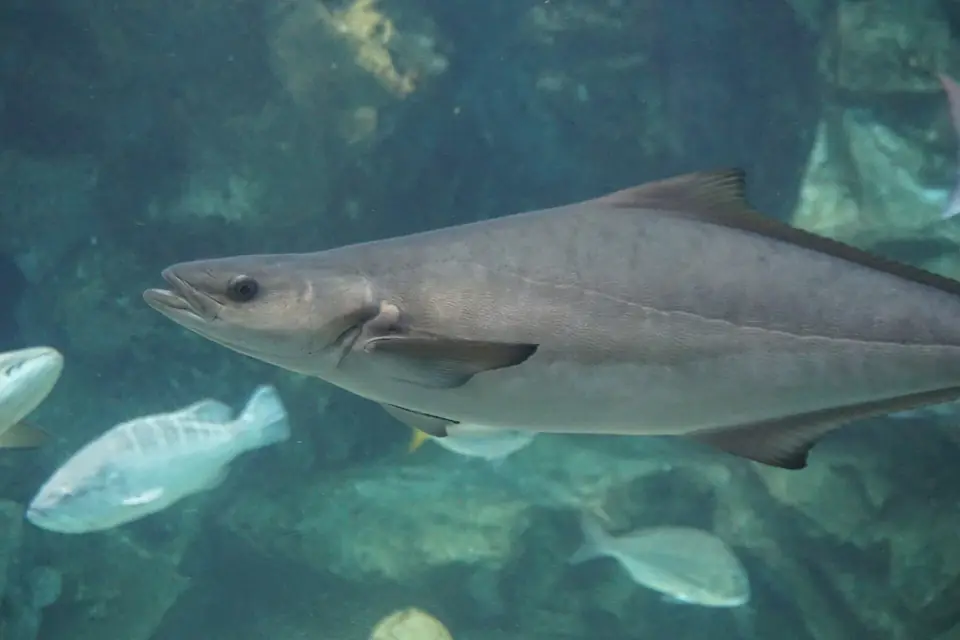
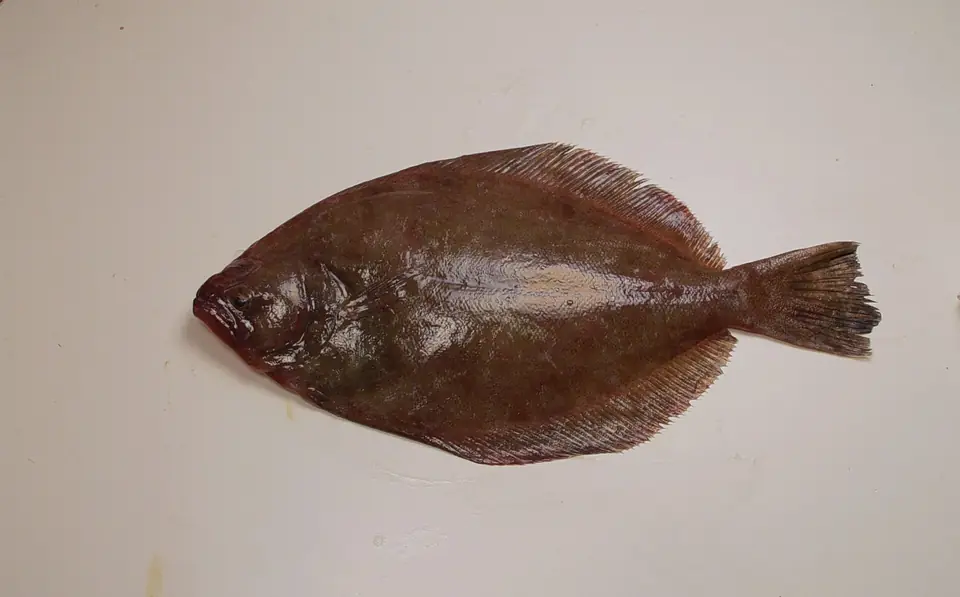
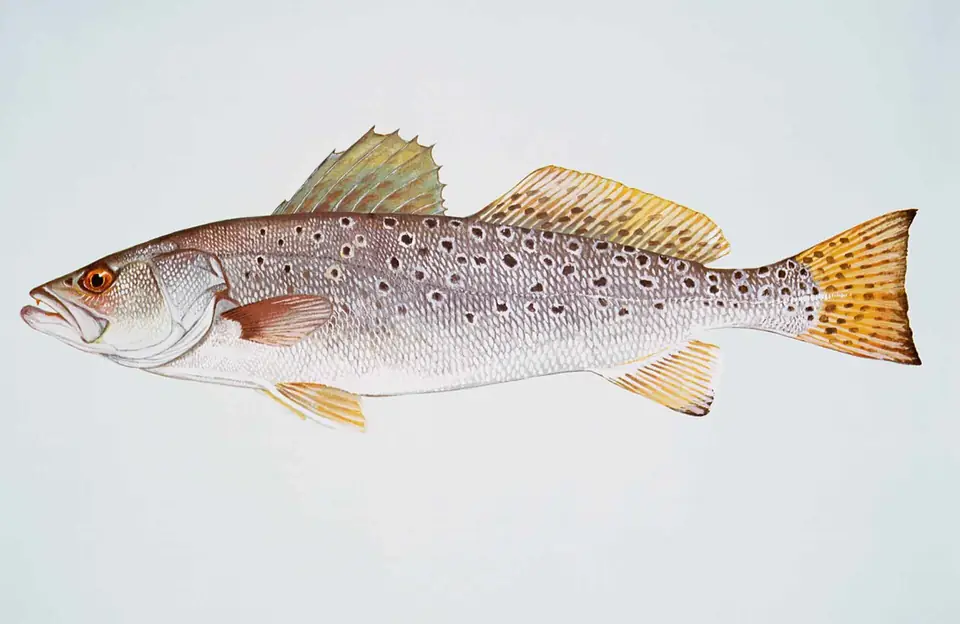
More inshore and surf fish
Sources
Official sources checked on October 29, 2026.