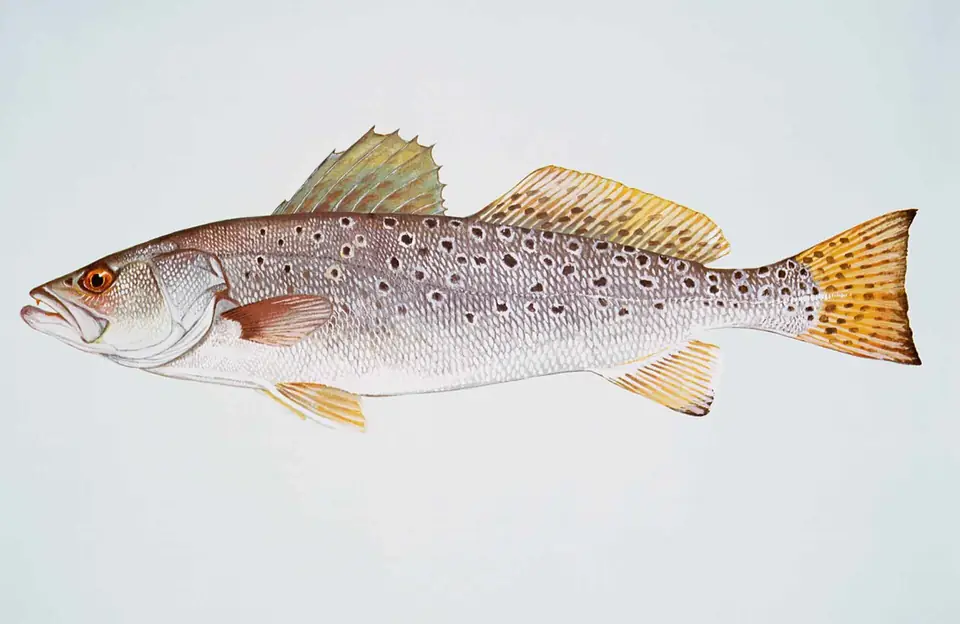
Spotted seatrout at a glance
- Also called
- Speckled trout, specks, trout, "gator" trout (big ones)
- Best seasons
- October to December and March to May
- Where
- Grass edges, oyster shell, creek mouths, deeper holes in winter
- How
- Live shrimp or artificial shrimp under a popping cork; soft plastics; topwater at dawn
- SC record
- 11 lb 13 oz, Murrells Inlet, 1976 (SCDNR)
- Limits
- Check current SC rules; SCDNR can close the fishery after cold kills
When and where
Trout are most active when water temperatures are moderate. On the Grand Strand, the fall run (October into December) is the best of the year, followed by spring (March to May). In summer they feed early and late and in deeper, cooler water; in mid-winter they settle into deep holes in creeks and rivers.
Look for trout along:
- Marsh grass edges with moving water.
- Oyster shell and rock points and bars.
- Creek mouths on a falling tide.
- Docks with lights at night in warmer months.
How to catch them
- Popping cork: a cork that makes a "pop" when twitched, 18 to 30 inches above a live or artificial shrimp. The noise imitates feeding fish.
- Soft plastics: paddletails and shrimp imitations on light jigheads, worked slowly along the bottom in cool water.
- Topwater: walking plugs at dawn in fall for bigger fish.
- Light tackle: a 7-foot spinning rod with 10 lb braid and a fluorocarbon leader.
Trout have soft mouths; set the hook gently and keep steady pressure.
Big trout
Most trout are 14 to 20 inches. Fish over 5 pounds ("gators") are rare and usually caught in late fall or early spring. SCDNR's record, 11 pounds 13 ounces, came from Murrells Inlet in 1976.
Rules and cold kills
Spotted seatrout have a state minimum size and bag limit. After severe cold kills, South Carolina has temporarily closed harvest, and SCDNR has also stocked trout in some years. Check the current limits and any closure notices before you keep fish.
Booking
An inshore charter in October or November is the best trout trip on the Grand Strand. See inshore fishing.
Who you will deal with
NOAA tide predictions: Springmaid Pier (station 8661070)
More offices, with notes, are on the local resources page.
Find local help
Listings come from public records or from the business itself. A listing is not a recommendation.
Common questions
What is a cold stun?
A sudden, prolonged cold snap can chill shallow water enough to stun or kill spotted seatrout. After severe winter kills, South Carolina has closed trout harvest temporarily to protect the survivors. Check SCDNR for any active closure.
What bait is best for trout?
Live shrimp under a popping cork is the classic. Artificial shrimp, soft-plastic paddletails, and topwater plugs at dawn are the go-to lures.
Related guides
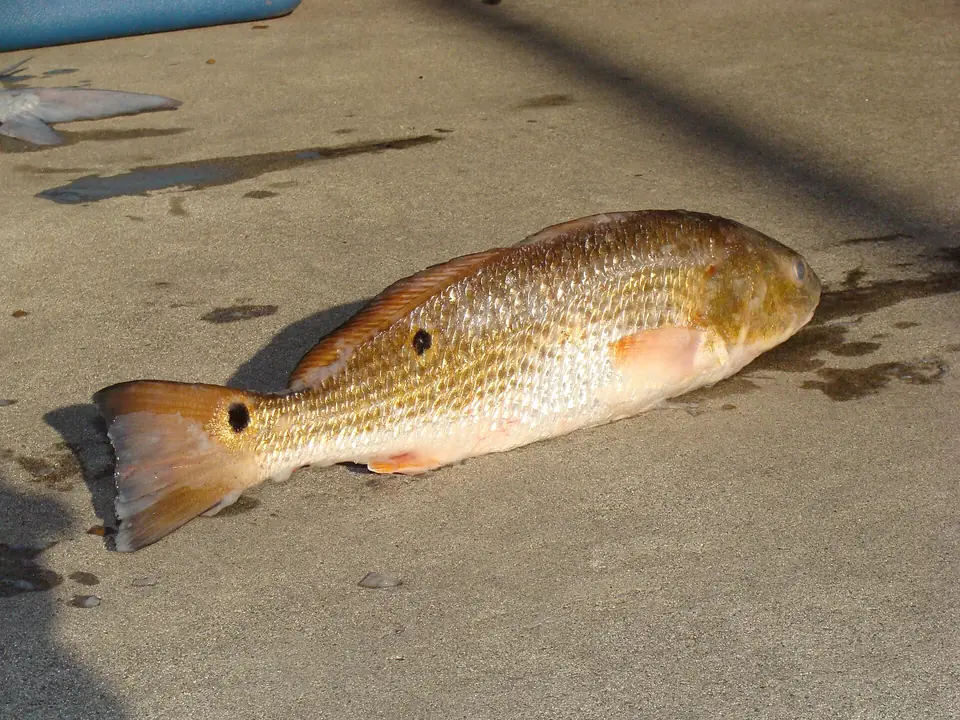
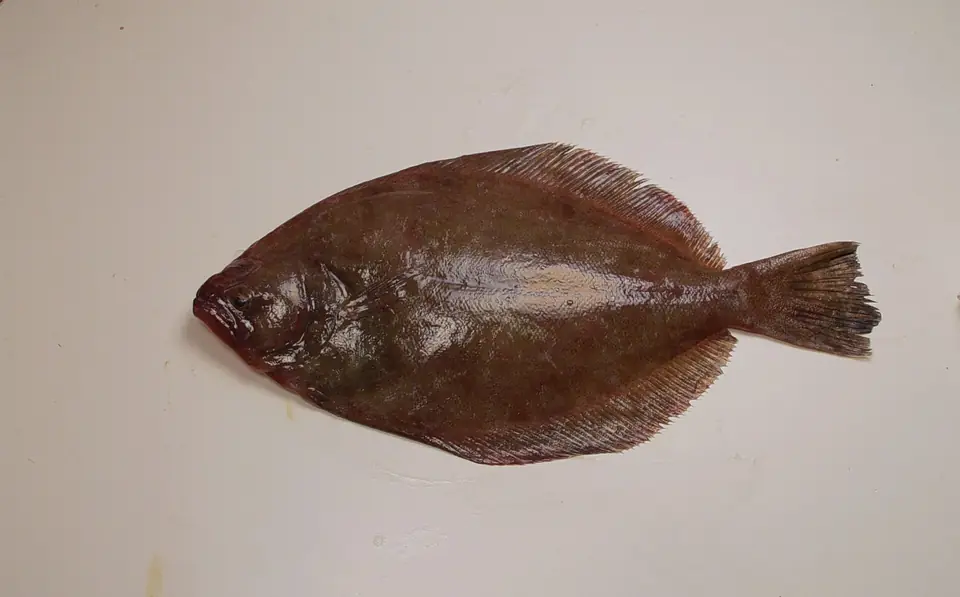

More inshore and surf fish
Sources
Official sources checked on October 29, 2026.