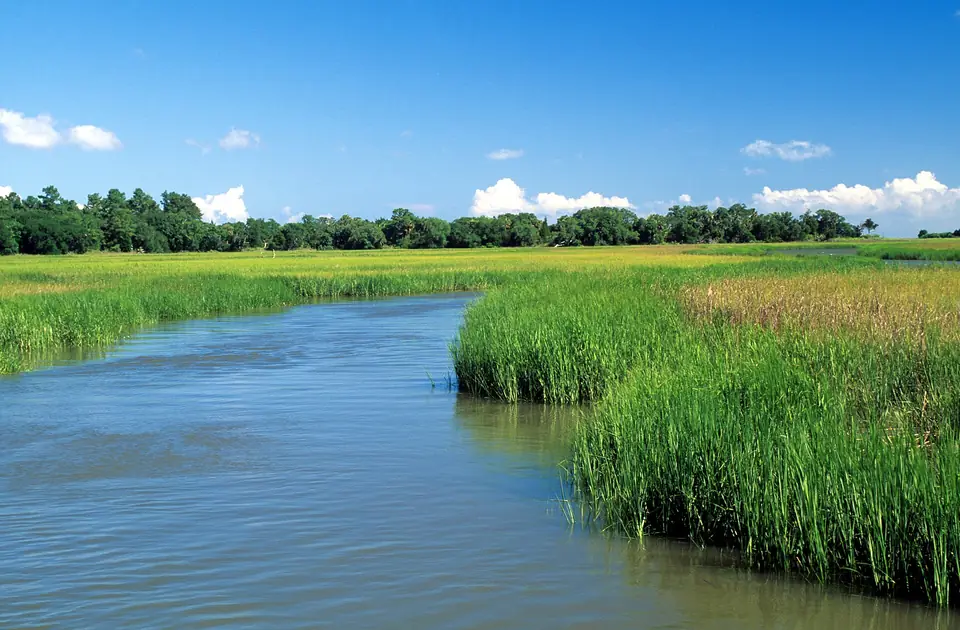
Inshore fishing at a glance
- Where
- Murrells Inlet, Little River Inlet and the ICW, North Inlet, Winyah Bay, and the inlet jetties
- Main species
- Red drum, southern flounder, spotted seatrout, black drum, sheepshead
- Best season
- September through November; spring is good too
- Trip length
- About 2 to 4 hours on a charter
- Key factor
- Tide: moving water, and the first hours of the falling tide in the marsh
- Rules
- Red drum slot and boat limit changed July 1, 2026 (details)
Where the inshore fishing is
Murrells Inlet is the hub: a compact, navigable salt marsh with oyster-lined creeks, docks, and a pair of rock jetties at the inlet mouth. Most inshore guides on the south end launch here.
Little River and the Intracoastal Waterway on the north end offer the inlet jetties, Calabash and Dunn Sound creeks, and miles of waterway docks and rock edges. (Calabash is in North Carolina; a South Carolina license does not cover NC waters.)
North Inlet and Winyah Bay near Georgetown are bigger, wilder water, with marsh flats, bay shorelines, and the Winyah Bay jetties. Georgetown guides fish these and the lower rivers.
The fish
- Red drum (redfish, spottail bass). The signature inshore fish. They tail on flooded marsh flats on high tides in summer and fall, school on oyster bars and creek mouths, and gather in big numbers in winter. South Carolina changed the red drum slot and set a boat limit on July 1, 2026. See red drum.
- Flounder. Ambush feeders that lie on the bottom at creek mouths, dock pilings, and jetty edges. Southern flounder is the main inshore species. See flounder.
- Spotted seatrout. Best in fall and spring on grass edges, shell, and creek mouths, often on artificial shrimp and soft plastics under a popping cork. See spotted seatrout.
- Black drum and sheepshead. Structure fish around docks, bridge pilings, and the jetty rocks; best in cooler months. See black drum and sheepshead.
Read the tide first
Inshore fishing is driven by tide. Moving water is better than slack, and many guides favor the last of the incoming and the first half of the outgoing tide, when bait drains out of the marsh into the creeks. Tides in the marsh run later than at the beach; use the NOAA prediction for Springmaid Pier as a base and check the nearest inlet station. See tides and weather.
Seasons
- Spring (March to May): trout and reds wake up as water warms; flounder move in.
- Summer (June to August): early-morning and evening bites; reds tailing on high tides; flounder steady.
- Fall (September to November): the best months. Bait is everywhere, trout and reds feed hard, and bull reds run the beaches and inlets.
- Winter (December to February): reds school up in clear, cold water; sheepshead and black drum on structure.
Booking an inshore trip
Inshore charters are usually 2 to 4 hours for 1 to 3 or 4 anglers, in a flats or bay boat. They are the best choice for kids and anyone who gets seasick. Ask whether the captain fishes live bait or artificial lures, and whether fish are catch-and-release. See charters in the directory.
In pictures
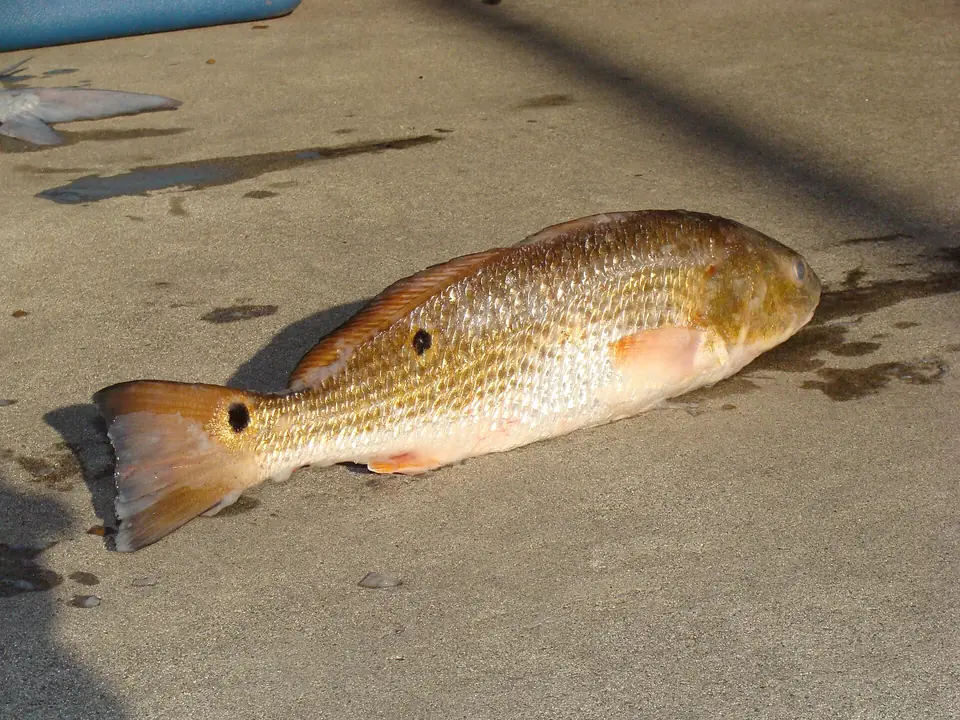
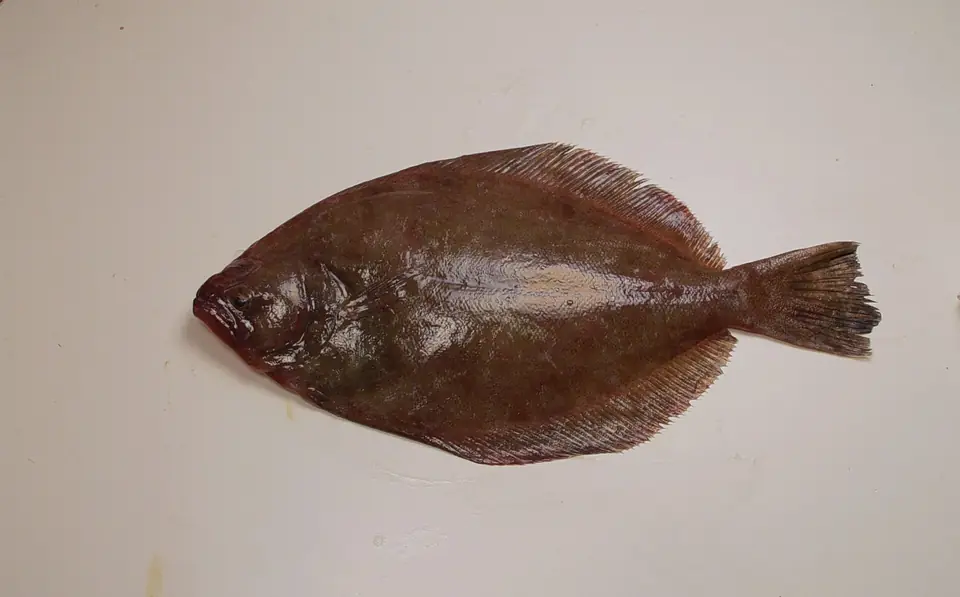
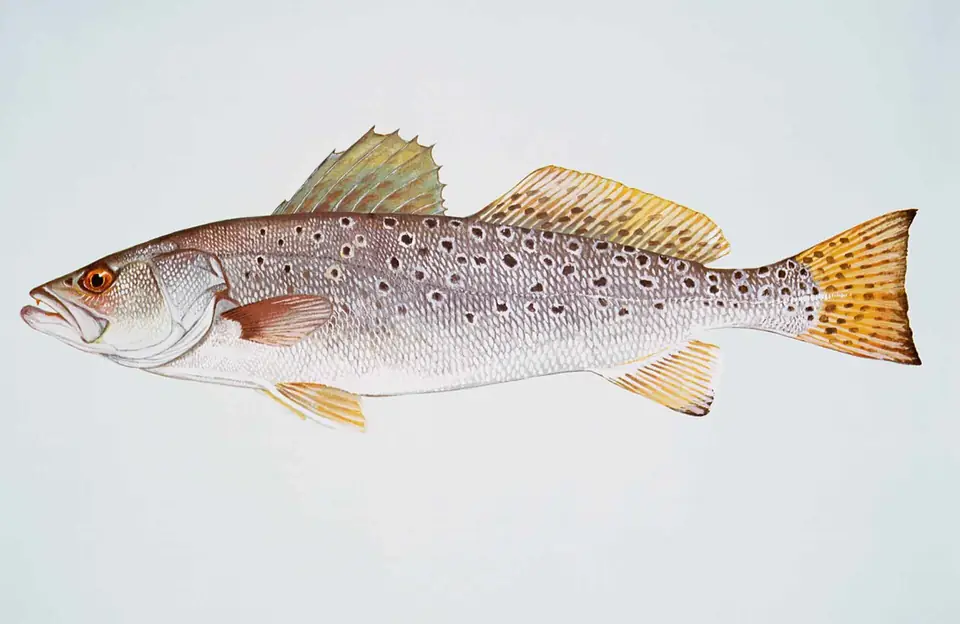
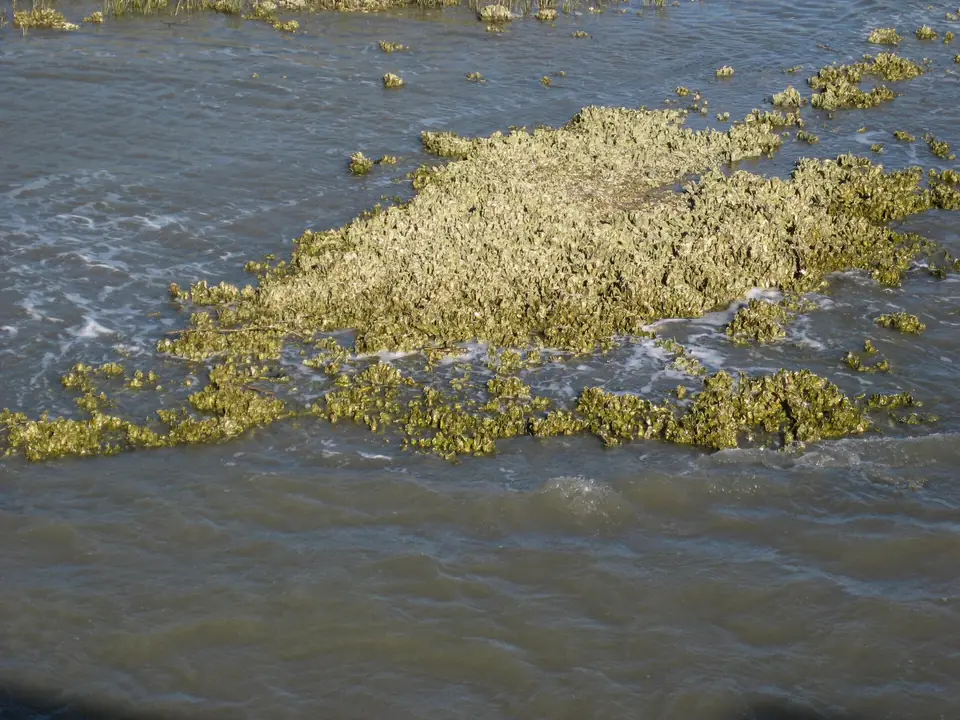
Photo credits and licenses · Photos are illustrative, not a specific local boat, business, or catch.
Who you will deal with
NOAA tide predictions: Springmaid Pier (station 8661070)
More offices, with notes, are on the local resources page.
Find local help
Listings come from public records or from the business itself. A listing is not a recommendation.
Common questions
What is the best bait for inshore fishing in Murrells Inlet?
Live bait is hard to beat: mud minnows, finger mullet, and live shrimp. Most tackle shops in Murrells Inlet sell them. Cut mullet or blue crab works for red and black drum, and fiddler crabs for sheepshead around pilings and jetty rocks.
Can I fish inshore without a boat?
Yes. The Murrells Inlet jetty, the Marsh Walk area, Huntington Beach State Park's jetty and causeway, and public docks and landings give shore access. You need a South Carolina saltwater license when you are not on a licensed pier or charter.
How big do redfish get here?
Most inshore red drum are 'puppy drum' and slot fish under 30 inches. Big 'bull' reds over 40 inches move along the beaches and inlets in fall. South Carolina's state record red drum, 75 pounds, came from Murrells Inlet in 1965, according to SCDNR.
Related guides
Sources
Official sources checked on October 29, 2026.