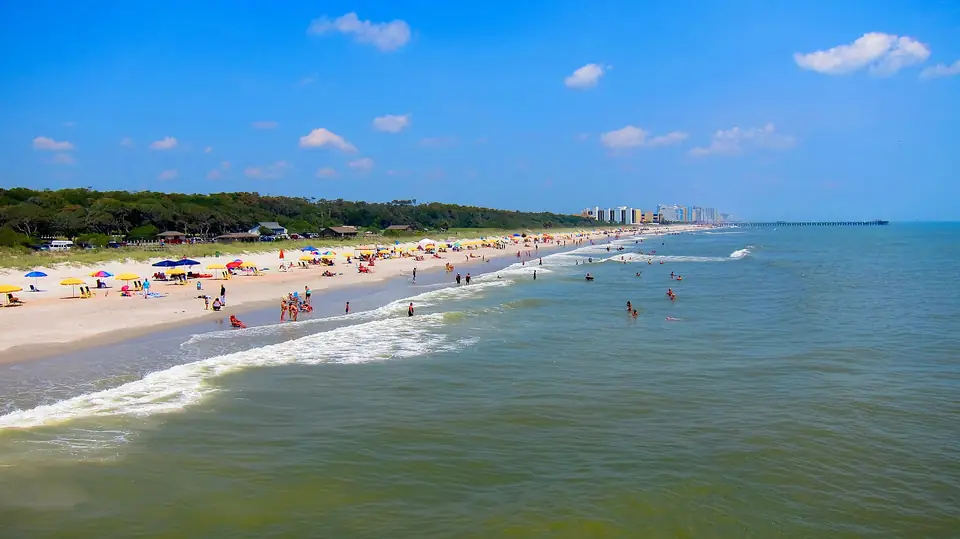
Surf fishing at a glance
- License
- Required for anyone 16 or older (not a licensed pier)
- Common fish
- Whiting, spot, croaker, pompano, red and black drum, bluefish, small sharks
- Best seasons
- Spring (April to May) and fall (September to November)
- Best times
- Early morning, evening, and the two hours around high tide
- Basic rig
- Two-hook bottom rig, 2 to 4 oz pyramid sinker, fresh shrimp or cut bait
- Watch for
- Swimmers, lifeguard zones, and town beach rules
Where to surf fish
Any stretch of the Grand Strand can hold fish, but anglers look for troughs (the deeper water between the beach and the outer sandbar), cuts where the bar is broken, and structure such as the rock jetties at Little River Inlet and Murrells Inlet.
- North Myrtle Beach and Cherry Grove: quieter beaches near Little River Inlet; drum and flounder near the inlet.
- Myrtle Beach: wide beaches, but crowded in summer; fish early or late, and away from piers and swimmers.
- Myrtle Beach State Park and Huntington Beach State Park: less development and natural beach. Huntington Beach also gives access to the south jetty at Murrells Inlet. State park admission applies.
- Surfside Beach, Garden City, Litchfield, and Pawleys Island: quieter, with good fall drum and whiting fishing.
What you catch, by season
- Spring (April to May): whiting, bluefish, pompano, and the first red drum as the water warms past the mid-60s.
- Summer: whiting and croaker early and late; small sharks at night (handle with care and release unless you know the rules); Spanish mackerel and bluefish blitzing bait.
- Fall (September to November): the best surf season. Mullet run down the beach, followed by bluefish, red drum (including big "bull reds" over the slot that must be released), black drum, pompano, and flounder.
- Winter: slow; occasional whiting and black drum on warm days.
Basic tackle and rigs
- Rod and reel: a 9 to 11 foot surf rod with a spinning reel and 15 to 20 lb line covers most fish.
- Rig: a two-hook bottom rig (also called a "double drop" or "fish finder" rig) with size 2 to 1/0 hooks for whiting and pompano, and a single larger circle hook on a Carolina rig for drum.
- Weight: 2 to 4 ounce pyramid or sputnik sinker, depending on surf and current.
- Bait: fresh shrimp, sand fleas, or cut mullet.
- Extras: a sand spike to hold the rod, a bucket, pliers, and a ruler.
Tides and timing
Fish feed when the water moves. Many surf anglers like the two hours before and after high tide, when water fills the trough. Dawn and dusk are best in summer. Use NOAA's Springmaid Pier predictions as a guide. See tides and weather.
The rules on the sand
- License: you need a South Carolina saltwater fishing license from the surf if you are 16 or older. A 1-day or 7-day nonresident license is the usual choice for visitors. See SC saltwater license.
- Limits: size and bag limits apply; red drum rules changed July 1, 2026.
- Beach rules: towns may restrict fishing in swimming areas and near lifeguard stands during the day. Do not leave line, hooks, or bait on the beach.
- Sea turtles: nesting season runs roughly May through October. Keep lights off the beach at night and stay away from marked nests.
In pictures
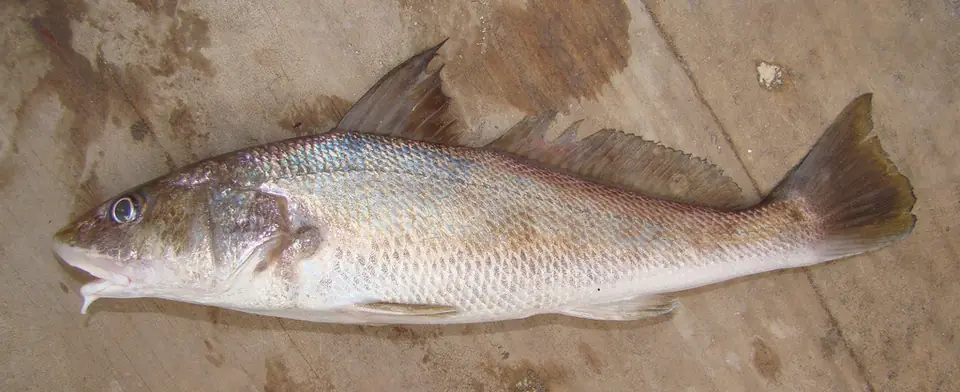
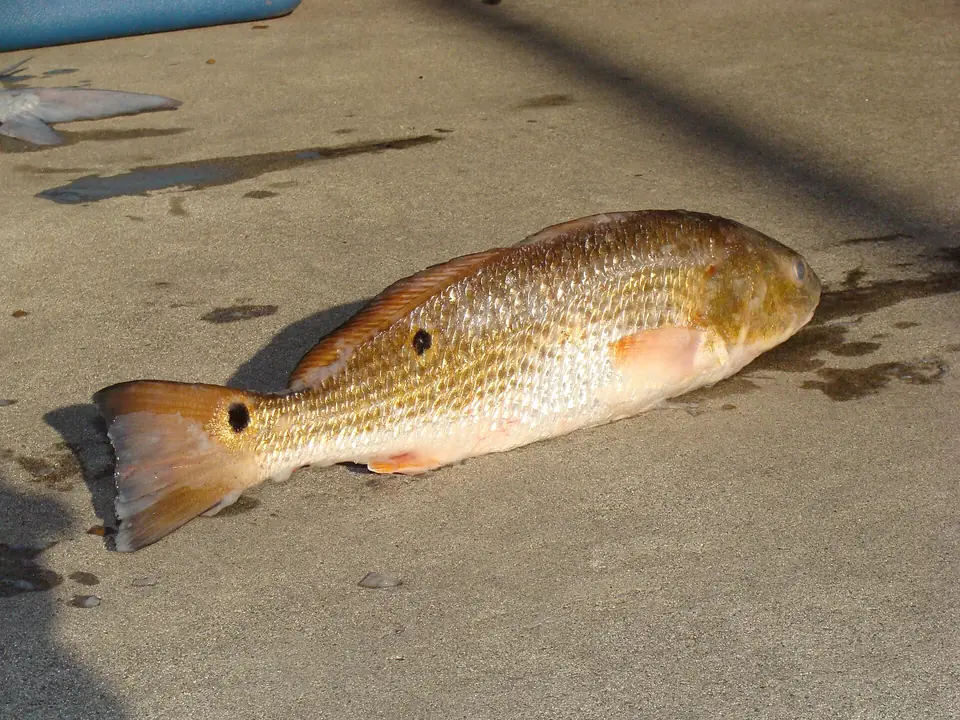
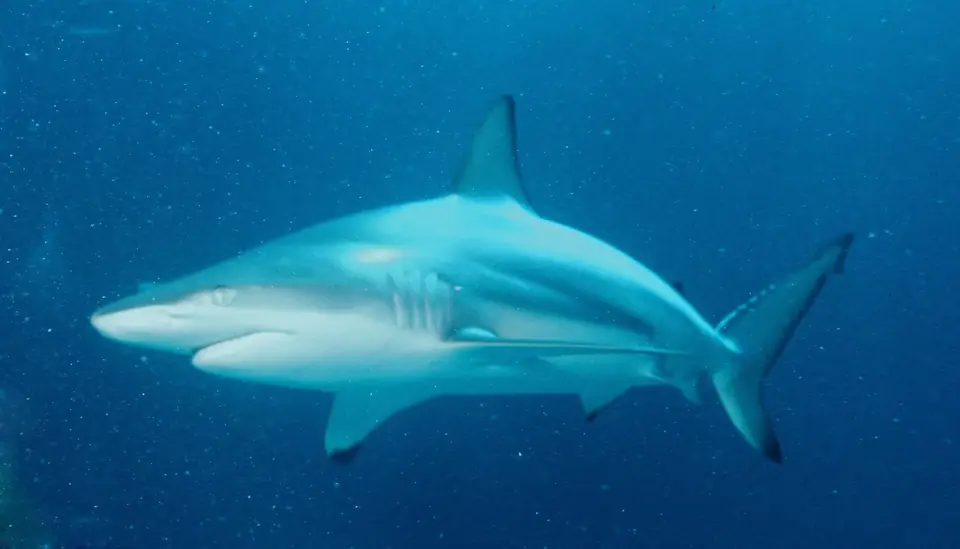
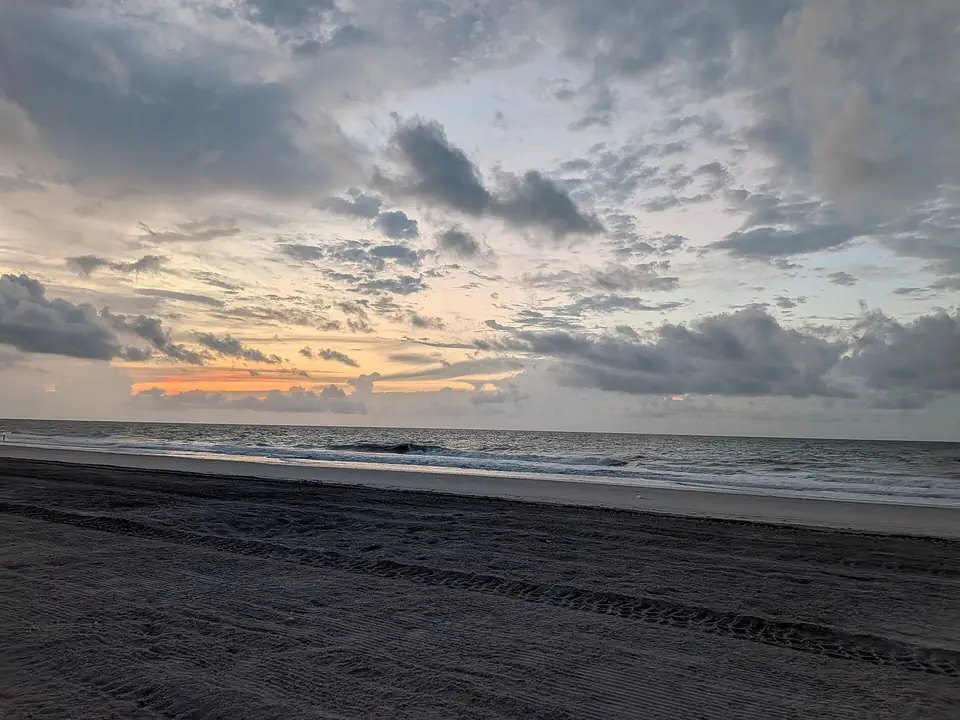
Photo credits and licenses · Photos are illustrative, not a specific local boat, business, or catch.
Who you will deal with
NOAA tide predictions: Springmaid Pier (station 8661070)
SCDNR licensing
More offices, with notes, are on the local resources page.
Find local help
Listings come from public records or from the business itself. A listing is not a recommendation.
Common questions
Can you surf fish anywhere in Myrtle Beach?
Mostly, but towns can restrict fishing near swimmers, in lifeguarded areas, and near piers during busy hours, and rules differ between Myrtle Beach, North Myrtle Beach, Surfside Beach, and unincorporated Horry County beaches. Fish early or late in summer, away from swimmers, and check the local beach rules.
What is the best bait for surf fishing here?
Fresh shrimp is the all-around bait. Sand fleas (mole crabs) dug at the waterline are excellent for pompano and whiting. Cut mullet and menhaden work for drum, bluefish, and sharks. Buy fresh bait from a local tackle shop the morning you fish.
Is night surf fishing allowed?
Night fishing is common on the Grand Strand. Use a red light, keep lights low during sea turtle nesting season (May through October), leave the beach as you found it, and check local rules for driving or parking restrictions.
Related guides

Sources
Official sources checked on October 29, 2026.