Pier panfish at a glance
- Whiting
- Spring and fall best; in the surf trough over sand
- Spot
- The fall run, usually October
- Croaker
- Summer into fall, often at night and around pilings
- Rig
- Two-hook bottom rig, small hooks (size 4 to 1), 1 to 3 oz sinker
- Bait
- Fresh shrimp, bloodworm-type baits, sand fleas, cut squid
- SC records
- Whiting 2 lb 12 oz (Georgetown, 1976, tie); spot 1 lb 4 oz (Murrells Inlet, 2001, tie)
The fish
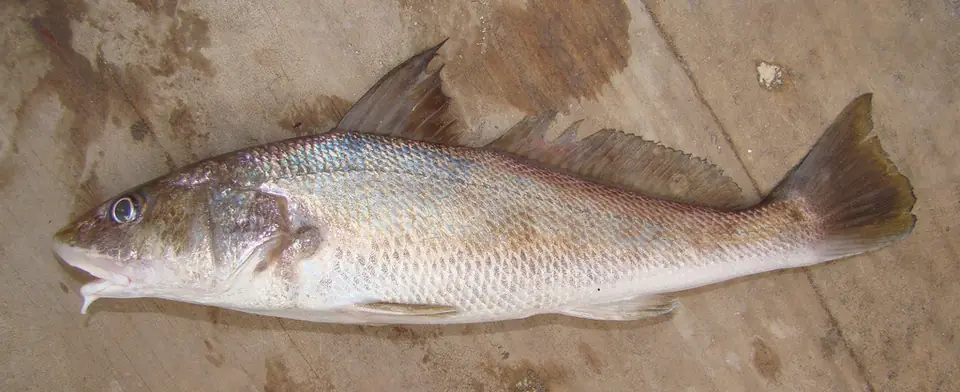
- Whiting (southern kingfish, sea mullet): slender, silver-gray bottom feeders that cruise the sandy trough between the beach and the bar. Best in spring and fall. SCDNR lists tied state records of 2 pounds 12 ounces (Georgetown, 1976) and 2 pounds 10 ounces (Pawleys Island, 1968).
- Spot: small, round, with a dark spot behind the gill. Famous for the fall run, usually October. Grand Strand piers hold several of South Carolina's tied spot records, including fish from Garden City Pier (1978) and Springmaid Pier (1977).
- Atlantic croaker: named for the drumming sound they make. Common in summer and fall, often around pilings and after dark.
How to catch them
- Rig: a two-hook bottom rig with small hooks (size 4 to 1). Many pier anglers use small circle hooks.
- Weight: 1 to 3 ounces, enough to hold in the surf.
- Bait: small pieces of fresh shrimp are the standard. Sand fleas dug at the waterline are great for whiting. Bloodworm-type baits (natural or synthetic) are the spot-run favorite.
- Where to cast: for whiting, into the trough just past the breakers; for spot and croaker, near the pilings and around the deeper water at mid-pier.
- Timing: moving tides, early morning, and evening.
Why they are great for families
Lots of bites, light tackle, and no boat. A pier with rod rentals and bait for sale is everything you need. See fishing piers and family fishing.
Eating them
All three are good pan-fried. Keep them on ice, and scale or skin them before cooking.
Rules
Some panfish have state limits, and limits change. Check the SC regulations guide. On a licensed pier you do not need your own license; from the surf you do.
More Whiting, spot, and croaker photos
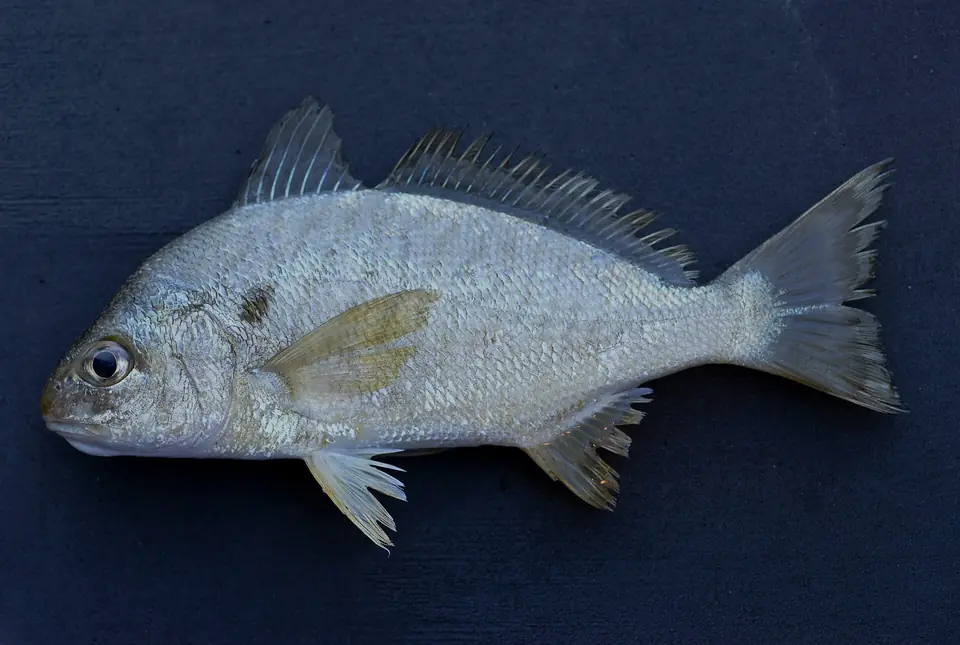
Photo credits and licenses · Photos are illustrative, not a specific local boat, business, or catch.
Find local help
Listings come from public records or from the business itself. A listing is not a recommendation.
Common questions
What is the difference between whiting and sea mullet?
On the Carolina coast they are the same fish, usually the southern kingfish. 'Whiting' and 'sea mullet' are local names; SCDNR's record list calls it kingfish (whiting). It is not related to the mullet used for bait.
When is the spot run in Myrtle Beach?
Typically October, when spot move along the beaches in big schools and pier anglers can fill coolers on bloodworm-type baits and shrimp. Timing shifts with water temperature and weather.
Related guides

More nearshore and pier fish
Sources
Official sources checked on October 29, 2026.