Sharks at a glance
- Common species
- Atlantic sharpnose, blacktip, spinner, bonnethead, sandbar (prohibited), blacknose; tiger and bull sharks offshore
- Best season
- Late spring through early fall
- Biggest SC record
- Tiger shark, 1,780 lb, Cherry Grove, 1964 (SCDNR)
- Federal permit
- Private boats need an HMS Angling permit with the shark endorsement in federal waters
- Rules
- Many species are prohibited; check state and NOAA HMS rules
What swims here
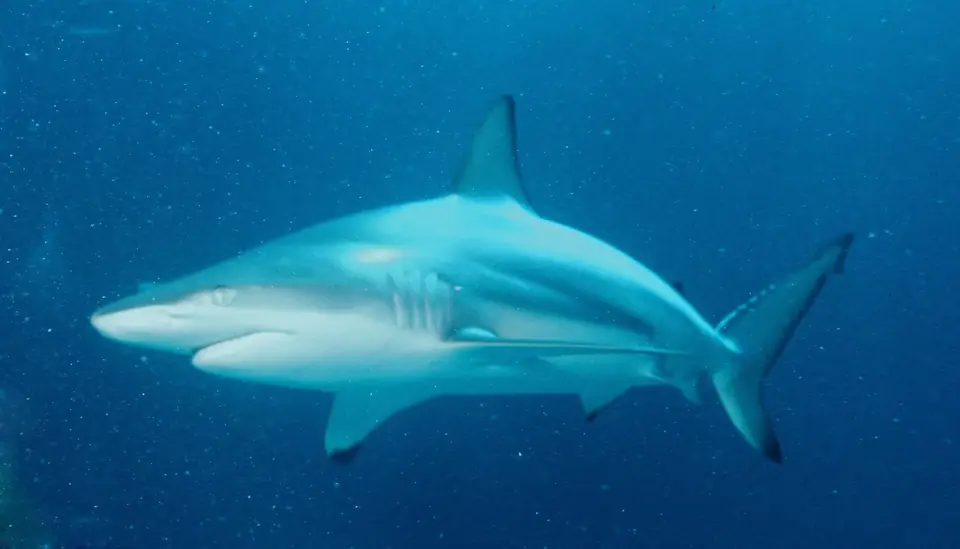
The nearshore waters of the Grand Strand are full of sharks in the warm months. Atlantic sharpnose are the most common small shark and are caught from piers, the surf, and boats; the South Carolina record, 13 pounds 5 ounces, came from Murrells Inlet in 2009, per SCDNR. Blacktip and spinner sharks are the leaping, fast sharks that chase bait along the beaches. Bonnetheads cruise the inlets and marsh. Farther out, anglers catch sandbar, dusky, tiger, bull, and hammerhead sharks, several of which are prohibited to keep.
The legendary fish is the 1,780-pound tiger shark caught at Cherry Grove in 1964, still South Carolina's heaviest saltwater record of any species on SCDNR's list.
Shark trips
Many charters offer nearshore shark trips in summer: a few miles off the beach, chumming and fishing cut bait on heavy tackle, then releasing the sharks boatside. They are short, exciting, and good for families who want a big fish without a Gulf Stream run. See charters.
The rules
Sharks are regulated by both SCDNR in state waters and NOAA Fisheries' Highly Migratory Species division in federal waters. Key points:
- Many species are prohibited, including sandbar and dusky sharks, and must be released.
- Keepable species have size and bag limits, and some have a minimum size that few nearshore sharks reach.
- In federal waters, private boats need an HMS Angling permit with a shark endorsement. Charter boats carry their own permits.
- Federal rules require non-offset, non-stainless circle hooks when fishing for sharks with natural bait in many situations.
Check the state and NOAA rules before you keep any shark.
Release them well
- Keep the shark in the water whenever you can; large sharks should not be lifted.
- Cut the leader close to the hook if you cannot remove it safely; circle hooks usually hook in the jaw.
- Use a dehooker and keep hands away from the mouth.
- Move quickly; long fights and handling stress sharks.
Safety on the beach
Shark bites on the Grand Strand are rare. Do not fish for sharks near swimmers, do not leave bait or fish carcasses in the surf, and follow lifeguard and town rules.
Who you will deal with
NOAA Fisheries Southeast Region
More offices, with notes, are on the local resources page.
Find local help
Listings come from public records or from the business itself. A listing is not a recommendation.
Common questions
Can you keep sharks in South Carolina?
Some species, within limits; many others are prohibited and must be released, including sandbar, dusky, and several other large sharks. Identification is hard, so if you are not sure, release it. State rules and NOAA's Atlantic shark rules both apply.
Is shark fishing allowed from Myrtle Beach piers and beaches?
Rules vary. Some piers and towns restrict shark fishing, chumming, or fishing near swimmers. Ask the pier and check local beach rules before targeting sharks from shore.
Are there charter trips just for sharks?
Yes. Several Grand Strand charters run nearshore shark trips in summer, usually catch-and-release, which are popular with families and photographers.
Related guides

More nearshore and pier fish
Sources
Official sources checked on October 29, 2026.